This guide is original editorial content. Linked public sources and directory listings should be checked again for live schedules, closures, prices and access rules.
Quick picks: shore snorkeling by Key
Key Largo: John Pennekamp Coral Reef State Park is the Upper Keys default, but its famous reef is offshore. From the sand, Cannon Beach inside the park is a calm, shallow swim; the reef itself is a boat trip. Pair it with Key Largo snorkeling day: Pennekamp, reef boats and honest logistics if the real goal is coral.
Bahia Honda (about MM 36–37): Bahia Honda State Park has two shore options. Calusa Beach on the bay side is the calmer, beginner-friendly water, with the most fish usually around the rocks rather than over open seagrass. Loggerhead Beach on the ocean side can be better when the sea is flat and worse when it is not.
Key West: Fort Zachary Taylor Historic State Park is the island’s strongest beach snorkel because the shoreline is rock and rubble, which holds fish. Higgs Beach is the easier, shallower option around old pier pilings and rocks. Smathers Beach is a swim-and-practice beach, not a structure snorkel.
Marathon and Islamorada: Sombrero Beach is first a family swim beach; treat any mask time there as a bonus. Anne’s Beach is shallow wading flats—lovely for a stop, not a snorkel destination. We do not rank these; they are matched to the kind of water you will find.
- Pennekamp’s reef is offshore—the beach is the warm-up, not the reef.
- Bahia Honda: Calusa for calm, Loggerhead only on a flat day.
- Key West: Fort Zach for structure, Higgs for an easy shallow swim.
- Sombrero and Anne’s are swim and wade stops first.
Why shore snorkeling in the Keys is limited
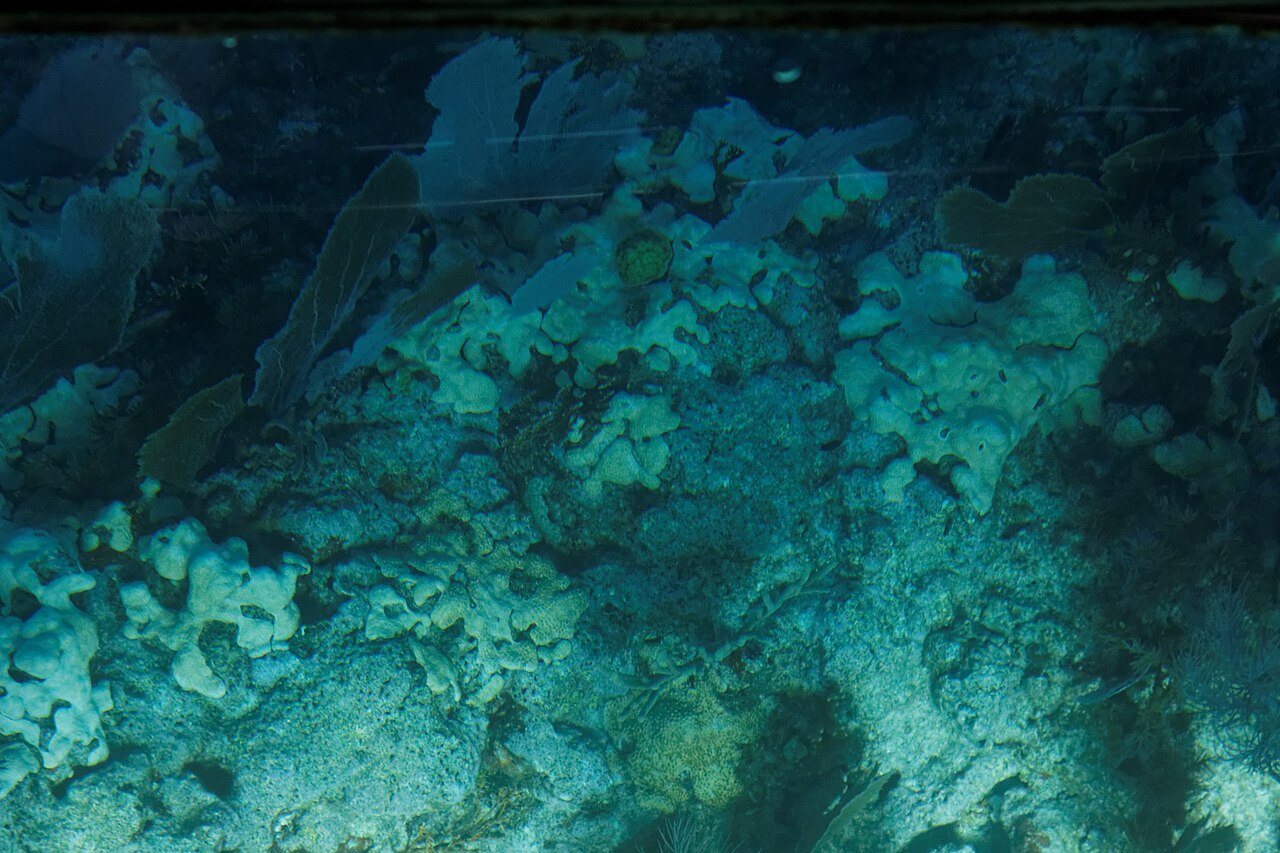
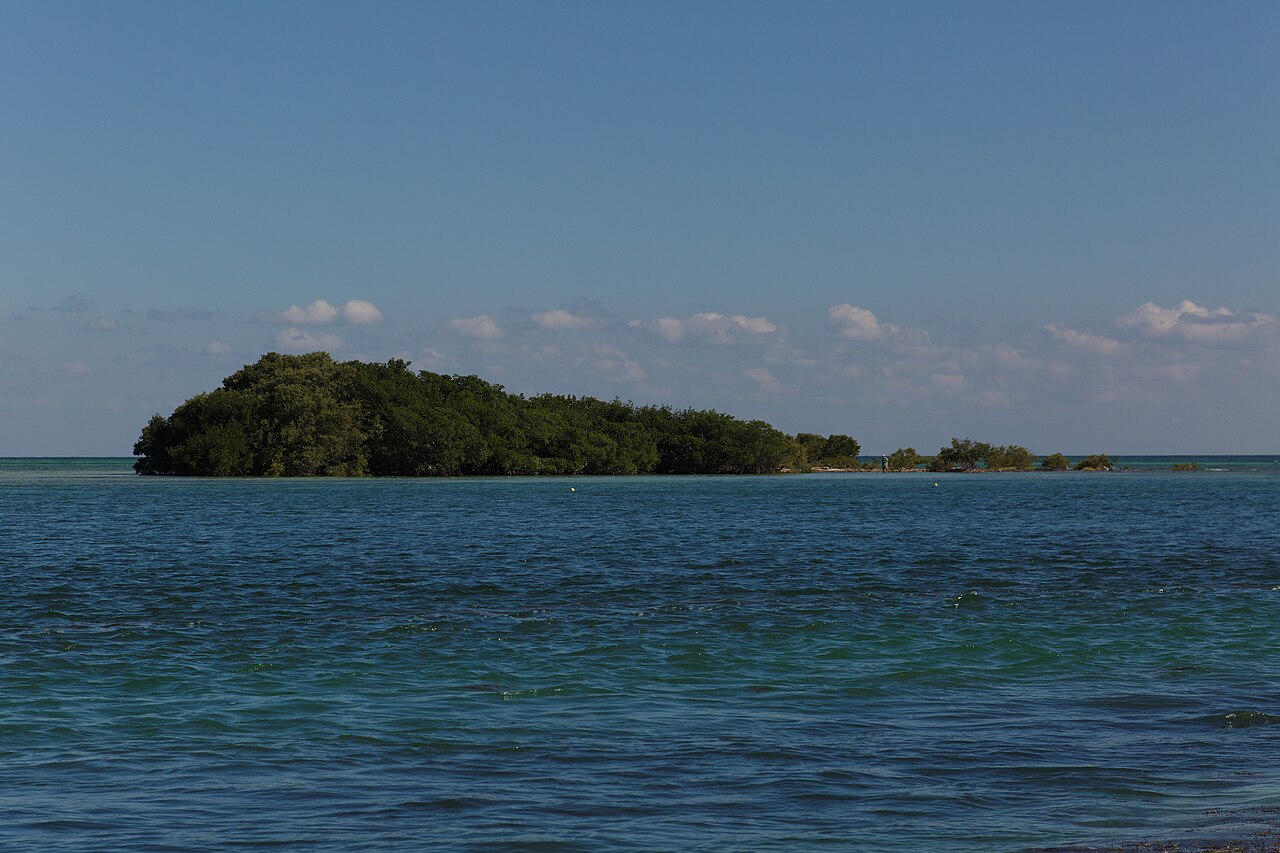
Most of the coral people picture lies offshore along Florida’s Coral Reef, several miles out from the islands, not off the beach. Close to shore, the bottom is usually sand, seagrass and hard rock flats. That is why the best shore spots share one trait: structure. Rocks, rubble, pier pilings and seawalls give fish somewhere to gather; open seagrass and sand mostly do not.
Set expectations by spot type. A rocky park beach like Fort Zach or the rock edges at Calusa can show you snapper, grunts and sergeant majors on a clear, calm morning. A wide sand beach is a swim beach with the occasional small fish or ray. Neither is the same product as a reef boat, and neither is a guaranteed sighting—visibility and wildlife vary day to day.
If coral and reef fish are the point of the trip, book a reef snorkel boat and use shore snorkeling as the backup, the warm-up for kids, or the low-cost afternoon. Pennekamp, Bahia Honda and Key West all have operators that run reef trips; compare them on Tours, Rentals & Outfitters and confirm the operator’s weather and refund policy before you pay.
- Structure (rocks, pilings, rubble) is where shore fish are.
- Sand and seagrass beaches are swim beaches first.
- For coral, the honest plan is a reef boat with shore as backup.
Check wind, visibility and tide before you go
Wind is the main variable. A breezy day stirs up the shallow flats, clouds the water and pushes chop onto ocean-side beaches. Check the National Weather Service Key West marine forecast the night before and again in the morning; light-wind mornings are usually the clearest, calmest window. If the forecast is choppy, switch to the more sheltered side of the island (Calusa instead of Loggerhead) or make it a beach day instead of a snorkel day.
Visibility on the bay and flats side of the Keys can drop quickly after wind or rain. A lower tide can make some rock edges easier to see and some flats too shallow to swim over without touching the bottom. Never stand on coral or drag fins across the bottom to get past a shallow patch—turn around and find deeper sand.
Avoid bridges, cuts and channels as snorkel spots. Water moving between the Gulf side and the Atlantic side runs fast under the bridges, and channels carry boat traffic. Old bridge pilings can look tempting from the highway; a calm park beach with a marked swim area is the better plan for most visitors.
- Light wind beats any spot recommendation—check the NWS Key West marine forecast.
- Choppy ocean side? Move to the bay side or skip the mask.
- Never stand on coral to clear a shallow patch.
- Bridges and channels mean current and boats—not a snorkel spot.
Divers-down flags, sanctuary rules and reef-safe habits
Florida law treats a snorkeler using a mask and snorkel as a diver. Outside areas customarily used only for swimming, you are required to display a divers-down warning device, stay within 300 feet of it in open water and within 100 feet in rivers, inlets and navigation channels; boats must make a reasonable effort to keep the same distances away and, if they come closer, slow to the minimum speed needed to steer. The rule is in Florida Statutes section 327.331—read the current text, and carry a flag or float if you wander beyond a marked swim area.
The waters around the Keys are part of the Florida Keys National Marine Sanctuary. Do not touch, stand on, collect or break coral, do not feed or chase fish, and give turtles and rays space. Use a rash guard or mineral sunscreen and apply it well before you get in. Bring water shoes: rock, rubble and old pier debris are exactly where the fish are and exactly where bare feet get cut.
State-park beaches have their own rules on hours, swim areas, pets and alcohol. Hours, entrance fees and closures change; confirm them on Florida State Parks or the city page linked from each listing the morning you go. Bahia Honda in particular can temporarily close day-use areas when it reaches capacity, so arrive early on weekends and holidays.
- Outside swim-only areas, a snorkeler needs a divers-down flag.
- Stay within 300 ft of the flag in open water, 100 ft in channels.
- Touch nothing alive; never stand on coral.
- Water shoes and a rash guard beat a sunburned, cut-up afternoon.
Gear, rentals and kids
You do not need to buy gear before the trip. Florida State Parks lists snorkel gear among concession rentals at both Fort Zachary Taylor and Bahia Honda, and Pennekamp’s visitor-services provider runs the park’s tours, including snorkel trips. Confirm availability and prices with the concession the day you go; we do not publish rental rates.
A mask that seals matters more than anything else. Test it on land: press it to your face without the strap, inhale through your nose, and it should stay put. A cheap, leaking mask is the most common reason a first shore snorkel feels miserable. Fins help on ocean-side beaches; on a shallow bay beach they mostly kick up sand.
For kids and first-timers, start at the calmest shallow water—Cannon Beach at Pennekamp, Calusa at Bahia Honda or Higgs in Key West—and keep the first session short. A float or noodle and an adult in the water beat a long swim to the rocks. Save the rocky edges and deeper water for the second day if the first one goes well.
- Rent at the park concession—confirm availability that morning.
- Test mask seal on land before you get in.
- Kids: shallow, calm, short first session with an adult in the water.
Build the snorkel day around your base
Snorkeling is a morning activity in the Keys for most of the year: calmer wind, clearer water and less crowded parking. That means sleeping near the spot. Key Largo or Tavernier for Pennekamp, Big Pine Key or Marathon for Bahia Honda, and Key West or Stock Island for Fort Zach and Higgs. Pick the island first with Where to stay in the Florida Keys: best base by Key for a 5–7 night trip, then the beach.
Plan one snorkel spot per day plus a dry backup, not three parks in one morning. Bahia Honda is a state park, not a town—provision on Big Pine Key or Marathon before you go. For the broader shoreline picture, including which beaches are better for swimming than snorkeling, read Florida Keys beaches by Key: swimming, parking and honest expectations.
Save the primary spot, a backup on the sheltered side and your overnight base on Trip planner. Then re-check the marine forecast and the park page before you leave. Verified source on KeysCompass means stronger source verification, not a paid placement; this guide does not endorse operators or promise conditions.
- Sleep on the island you will snorkel—mornings are the window.
- One spot plus a dry backup per day.
- Provision on Big Pine or Marathon before Bahia Honda.
- Save primary, backup and base in Trip planner.
Frequently asked questions
Can you snorkel from the beach in the Florida Keys?
Yes, but it is limited compared with a reef boat. Most coral is offshore along Florida’s Coral Reef. The best shore snorkeling is at beaches with rocks, rubble or pilings that hold fish—Fort Zachary Taylor and Higgs Beach in Key West, Calusa and Loggerhead beaches at Bahia Honda, and the calm swim area at Cannon Beach inside John Pennekamp in Key Largo. Visibility depends on wind, so pick a light-wind morning.
What is the best beach for snorkeling in Key West?
Fort Zachary Taylor Historic State Park is the strongest beach snorkel in Key West because its rocky shoreline holds fish, and the park lists snorkel gear among its concession rentals. Higgs Beach is the easier, shallower option around old pier pilings and rocks. Smathers Beach is better for swimming and practice than for snorkeling. Bring water shoes for Fort Zach and Higgs.
Can you see coral from shore at John Pennekamp?
Not the reef most visitors come for. Pennekamp protects about 70 nautical square miles of water, and the coral reefs are offshore—Florida State Parks points visitors to glass-bottom boat tours, snorkeling and scuba trips to reach them. Cannon Beach inside the park is a calm shallow swim and a good warm-up. See Key Largo snorkeling day: Pennekamp, reef boats and honest logistics for reef-boat logistics.
Is Bahia Honda good for snorkeling?
Bahia Honda can be good on a calm day. Calusa Beach on the bay side is the calmer, beginner-friendly water, with fish mostly around the rocks. Loggerhead Beach on the ocean side can be better when the sea is flat. The concession rents snorkel gear and offers reef trips. The park can temporarily close day-use areas at capacity, so arrive early on weekends and holidays.
Do snorkelers need a dive flag in Florida?
Outside areas customarily used only for swimming, yes. Florida Statutes section 327.331 treats a snorkeler using a mask and snorkel as a diver who must display a divers-down warning device and stay within 300 feet of it in open water, or 100 feet in rivers, inlets and navigation channels. Read the current statute text and carry a flag or float if you leave a marked swim area.
When is the best time to snorkel from shore in the Keys?
Light-wind mornings are usually the clearest and calmest. Wind matters more than the month: a breezy day clouds the shallow flats and adds chop to ocean-side beaches. Check the National Weather Service Key West marine forecast the night before and that morning, and keep a sheltered-side or dry backup. Hurricane season runs June 1 through November 30, so build in a flexible day.
Is it safe to snorkel near Florida Keys bridges?
Not as a casual plan. Water moving between the Gulf and Atlantic sides runs fast under bridges and through channels, and channels carry boat traffic where Florida’s 100-foot divers-down distance applies. Choose a park beach with a designated swim area instead, and never snorkel alone.